Peter Ostroff
A Voice for Beverly Hills — Past, Present, and Future
Fire Safety/New Chamber Chair
Beverly Hills residents, particularly those in the Hillside Area, are increasingly concerned about fire safety following recent wildfires, prompting efforts to enhance home protection through defensible space and home hardening. Fire officials emphasize the importance of community collaboration and preparedness, urging residents to maintain their properties and stay informed about fire risks and evacuation protocols.

By Peter Ostroff
For Beverly Hills residents who live north of Sunset Blvd., concerns about fire prevention and safety have become heightened in the wake of the recent conflagrations in the Palisades and Altadena. As residents of the Hillside Area of the City, we share this heightened concern and nervously watched as the evacuation warning area came within 100 feet of our home in January.
This prompted me to try to learn as much as possible about fire issues. First, we had Fire Inspector David Medina visit our home and look carefully at all potential avenues for fires to invade our home. We paid particular attention to small spaces between garage doors and the floor or sides. Another item of concern was an area where we did not have double-paned glass windows. He advised fixing those and looked carefully at the foliage and brush surrounding the house both on our property and on neighboring properties. Notably, all of the efforts that residents make in aid of safeguarding their own homes can be for naught if their neighbors’ homes are not protected.
Beverly Hills Fire Chief Greg Barton put me in touch with Beverly Hills Assistant Chief/Fire Marshall Trevor Richmond who is our “minister of defense” in charge of fire prevention. Chief Richmond spent 29 years with the Los Angeles Fire Department (LAFD), rising through every rank: Firefighter, Apparatus Operator, Captain I & II, Battalion Chief, and eventually Assistant Chief overseeing the San Fernando Valley-area operations.
Now, Chief Richmond leads Community Risk Reduction (CRR) for Beverly Hills—overseeing fire inspections, code enforcement, plan reviews, and public education programs. He served on a task force to study the Woolsey fire and derive lessons learned. The Woolsey Fire was a major and destructive wildfire that occurred in Southern California in November 2018. It was one of the worst fires in California’s history due to its rapid spread, intensity, and damage and burned from Agoura to Malibu.
Chief Richmond and Shana Epstein, the City’s Director of the Department of Public Works, stress that fire prevention, fire safety and fire fighting require a partnership between the fire department, the water utility and the residents.
Chief Richmond assures me that our fire department resources are world class. In fact, our department has earned international acclaim as one of a very small number of departments credited as meeting the very high standards of the Center of Public Safety Excellence. From fire engines to fire hydrants, we have the most modern and best maintained infrastructure. Further, we have access, through mutual assistance agreements with other departments, to much greater resources and equipment that we do not have such as helicopters and fixed wing aircraft to deliver fire retardants and water.
Ms. Epstein says that we have abundant water resources and redundant systems for pumping water to hilltop reservoirs which then rely on gravity to reach the homes below them. There are ten reservoir sites throughout the City. Importantly, the Public Works Department is preparing an RFP for a system which will enable the Public Works Department to turn off water on a meter by meter basis or by zone so that water will not be diverted away from the needs of firefighters. For example, if a home and its water meter is damaged or destroyed by fire, water to that home could be flowing free and wasted.
I asked Chief Barton and Chief Richmond what one thing they would wish for that the Fire Department does not have. They gave very similar answers. Chief Barton said that he would like to have more inspectors to review for brush clearance and unsafe conditions around residences. Chief Richmond said that he would like to have better communication with the residents about what they can do to protect their own homes.
Notably, all areas of the City north of Sunset are in a Very High Fire Hazard Severity Zone — the name speaks for itself and has profound impacts on the insurability of the home in addition to the level of risk. All homes within the zone are subject to annual brush inspection and for new construction must use fire resistant materials.
So, what are those things that we can do to protect our homes? In essence, these fall into two categories:
• Defensible space around structures; and
• Home “hardening”.
For defensible space, there must be at least five feet around every structure that is completely cleared of any brush or other combustible material that could include lawn furniture or stacked firewood. According to Chief Richmond, this is necessary just “to give us a fighting chance to save the home.”
Home hardening involves making certain that all outside materials cannot burn and that there are no openings that will allow fire embers to enter a structure. Residential swimming pools are an excellent source of water for firefighters to access. If a pool is not adjacent to a street or alley from which firehoses can reach a pool, a home pump can be helpful.
Residents should be prepared to evacuate. Be alert for high fire danger which can exist when there are heavy winds, low humidity and/or hot and dry temperatures. Listen for warnings and updates.
Preparation involves six “Ps”:
• Prescription medications;
• People and pets;
• Paper (important documents such as passports);
• Pictures (memorabilia);
• Personal computers; and
• Plastic (credit cards and cash)
Remember, your neighbors depend upon you and you depend upon them.
***
On June 27, Offer Nissenbaum, the Managing Director of the Peninsula Beverly Hills, was installed as the Chairman of the Beverly Hills Chamber of Commerce.
Mr. Nissenbaum has a very interesting background. He was raised in Israel and Canada and graduated with a degree in hospitality management from Paul Smith’s College in upstate New York.
He served on a task force to study the Woolsey fire and derive lessons learned. The Woolsey Fire was a major and destructive wildfire that occurred in Southern California in November 2018. It was one of the worst fires in California’s history due to its rapid spread, intensity, and damage and burned from Agoura to Malibu.
Chief Richmond and Shana Epstein, the City’s Director of the Department of Public Works, stress that fire prevention, fire safety and fire fighting require a partnership between the fire department, the water utility and the residents.
Chief Richmond assures me that our fire department resources are world class. In fact, our department has earned international acclaim as one of a very small number of departments credited as meeting the very high standards of the Center of Public Safety Excellence. From fire engines to fire hydrants, we have the most modern and best maintained infrastructure. Further, we have access, through mutual assistance agreements with other departments, to much greater resources and equipment that we do not have such as helicopters and fixed wing aircraft to deliver fire retardants and water.
Ms. Epstein says that we have abundant water resources and redundant systems for pumping water to hilltop reservoirs which then rely on gravity to reach the homes below them. There are ten reservoir sites throughout the City. Importantly, the Public Works Department is preparing an RFP for a system which will enable the Public Works Department to turn off water on a meter by meter basis or by zone so that water will not be diverted away from the needs of firefighters. For example, if a home and its water meter is damaged or destroyed by fire, water to that home could be flowing free and wasted.
I asked Chief Barton and Chief Richmond what one thing they would wish for that the Fire Department does not have. They gave very similar answers. Chief Barton said that he would like to have more inspectors to review for brush clearance and unsafe conditions around residences. Chief Richmond said that he would like to have better communication with the residents about what they can do to protect their own homes.
Notably, all areas of the City north of Sunset are in a Very High Fire Hazard Severity Zone — the name speaks for itself and has profound impacts on the insurability of the home in addition to the level of risk. All homes within the zone are subject to annual brush inspection and for new construction must use fire resistant materials.
So, what are those things that we can do to protect our homes? In essence, these fall into two categories:
• Defensible space around structures; and
• Home “hardening”.
For defensible space, there must be at least five feet around every structure that is completely cleared of any brush or other combustible material that could include lawn furniture or stacked firewood. According to Chief Richmond, this is necessary just “to give us a fighting chance to save the home.”
Home hardening involves making certain that all outside materials cannot burn and that there are no openings that will allow fire embers to enter a structure. Residential swimming pools are an excellent source of water for firefighters to access. If a pool is not adjacent to a street or alley from which firehoses can reach a pool, a home pump can be helpful.
Residents should be prepared to evacuate. Be alert for high fire danger which can exist when there are heavy winds, low humidity and/or hot and dry temperatures. Listen for warnings and updates.
Preparation involves six “Ps”:
• Prescription medications;
• People and pets;
• Paper (important documents such as passports);
• Pictures (memorabilia);
• Personal computers; and
• Plastic (credit cards and cash)
Remember, your neighbors depend upon you and you depend upon them.
***
On June 27, Offer Nissenbaum, the Managing Director of the Peninsula Beverly Hills, was installed as the Chairman of the Beverly Hills Chamber of Commerce.
Mr. Nissenbaum has a very interesting background. He was raised in Israel and Canada and graduated with a degree in hospitality management from Paul Smith’s College in upstate New York.
He served on a task force to study the Woolsey fire and derive lessons learned. The Woolsey Fire was a major and destructive wildfire that occurred in Southern California in November 2018. It was one of the worst fires in California’s history due to its rapid spread, intensity, and damage and burned from Agoura to Malibu.
Chief Richmond and Shana Epstein, the City’s Director of the Department of Public Works, stress that fire prevention, fire safety and fire fighting require a partnership between the fire department, the water utility and the residents.
Chief Richmond assures me that our fire department resources are world class. In fact, our department has earned international acclaim as one of a very small number of departments credited as meeting the very high standards of the Center of Public Safety Excellence. From fire engines to fire hydrants, we have the most modern and best maintained infrastructure. Further, we have access, through mutual assistance agreements with other departments, to much greater resources and equipment that we do not have such as helicopters and fixed wing aircraft to deliver fire retardants and water.
Ms. Epstein says that we have abundant water resources and redundant systems for pumping water to hilltop reservoirs which then rely on gravity to reach the homes below them. There are ten reservoir sites throughout the City. Importantly, the Public Works Department is preparing an RFP for a system which will enable the Public Works Department to turn off water on a meter by meter basis or by zone so that water will not be diverted away from the needs of firefighters. For example, if a home and its water meter is damaged or destroyed by fire, water to that home could be flowing free and wasted.
I asked Chief Barton and Chief Richmond what one thing they would wish for that the Fire Department does not have. They gave very similar answers. Chief Barton said that he would like to have more inspectors to review for brush clearance and unsafe conditions around residences. Chief Richmond said that he would like to have better communication with the residents about what they can do to protect their own homes.
Notably, all areas of the City north of Sunset are in a Very High Fire Hazard Severity Zone — the name speaks for itself and has profound impacts on the insurability of the home in addition to the level of risk. All homes within the zone are subject to annual brush inspection and for new construction must use fire resistant materials.
So, what are those things that we can do to protect our homes? In essence, these fall into two categories:
• Defensible space around structures; and
• Home “hardening”.
For defensible space, there must be at least five feet around every structure that is completely cleared of any brush or other combustible material that could include lawn furniture or stacked firewood. According to Chief Richmond, this is necessary just “to give us a fighting chance to save the home.”
Home hardening involves making certain that all outside materials cannot burn and that there are no openings that will allow fire embers to enter a structure. Residential swimming pools are an excellent source of water for firefighters to access. If a pool is not adjacent to a street or alley from which firehoses can reach a pool, a home pump can be helpful.
Residents should be prepared to evacuate. Be alert for high fire danger which can exist when there are heavy winds, low humidity and/or hot and dry temperatures. Listen for warnings and updates.
Preparation involves six “Ps”:
• Prescription medications;
• People and pets;
• Paper (important documents such as passports);
• Pictures (memorabilia);
• Personal computers; and
• Plastic (credit cards and cash)
Remember, your neighbors depend upon you and you depend upon them.
***
On June 27, Offer Nissenbaum, the Managing Director of the Peninsula Beverly Hills, was installed as the Chairman of the Beverly Hills Chamber of Commerce.
Mr. Nissenbaum has a very interesting background. He was raised in Israel and Canada and graduated with a degree in hospitality management from Paul Smith’s College in upstate New York.

Peter Ostroff is a long-time Beverly Hills resident of over 50 years who retired in 2017 after a 50-year career as a trial lawyer. He was born in Washington, D.C. in 1942. He graduated from Washington University (St. Louis, Mo) in 1964 with a B.A. degree in political science and economics. He graduated from the University of Chicago Law School in 1967 with a J.D. degree. He taught law at Monash University Law School in Melbourne, Australia in 1968. He became a member of the Illinois Bar in 1967 and the California Bar in 1969, He clerked for Hon. Shirley M. Hufstedler of the United States Court of Appeal 1969-70, practiced law with Nossaman, Waters, Scott, Krueger & Riordan and successor firms from 1970 to 1980 and with Sidley Austin from 1980 until 2017. During his full time law practice years he was a Committee Chair and Member of the Council of the American Bar Association, Litigation Section and was President of the Association of Business Trial Lawyers. Since 2018, he has served on the Beverly Hills Planning Commission. In addition to his work on the Commission, Peter has chaired the BHUSD 7-11 Surplus Property Committee and contributed to planning efforts for the District Offices site on S. Lasky Drive and future uses of the Hawthorne School property. He also served as Co-Chair of the Citizens Advisory Committee for the City's Climate Adaptation and Action Plan. He has been married to Anne Y. Ostroff since 2002, has two children, Nick Ostroff and Natalie Anne Cookson and has two grandchildren, Elliott Cookson and Emma Anne Cookson. Some family information is collected under Family Tree in this website. Since April 2024, he has written a weekly column for the Beverly Hills Weekly The columns are collected in this website.
petero@ostroff.laMore from the Archive

Undocumented Residents – An Over Reaction to a Manufactured "Crisis"
In his article, Peter Ostroff argues that the current immigration crisis is largely a manufactured issue, fueled by inflammatory rhetoric from political figures like Donald Trump, which has led to aggressive enforcement actions against undocumented residents that are often disproportionate and harmful. He advocates for a more humane approach, suggesting that offering amnesty to long-term, law-abiding undocumented individuals, coupled with better border security, could be a more effective solution than the current punitive measures.
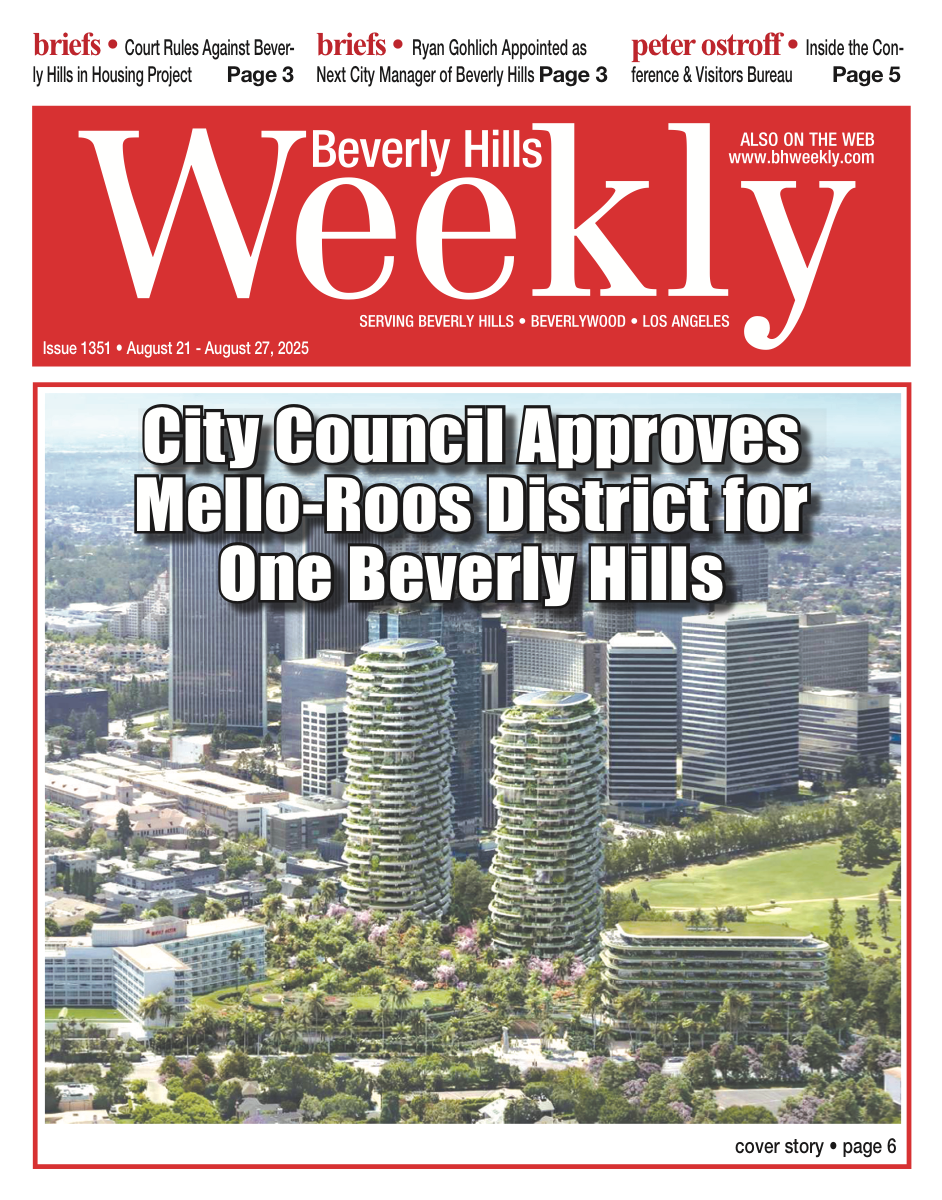
Inside the Conference & Visitors Bureau
The Beverly Hills Conference & Visitors Bureau (CVB) is the city's official organization for promoting tourism and enhancing economic vitality by attracting visitors to local hotels, restaurants, and attractions, primarily funded by hotel occupancy taxes. Under the leadership of CEO Julie Wagner and a board of directors from major local hotels, the CVB aims to boost visitor numbers, which have declined significantly since pre-COVID times, while also preparing for upcoming major sporting events in the Los Angeles region.
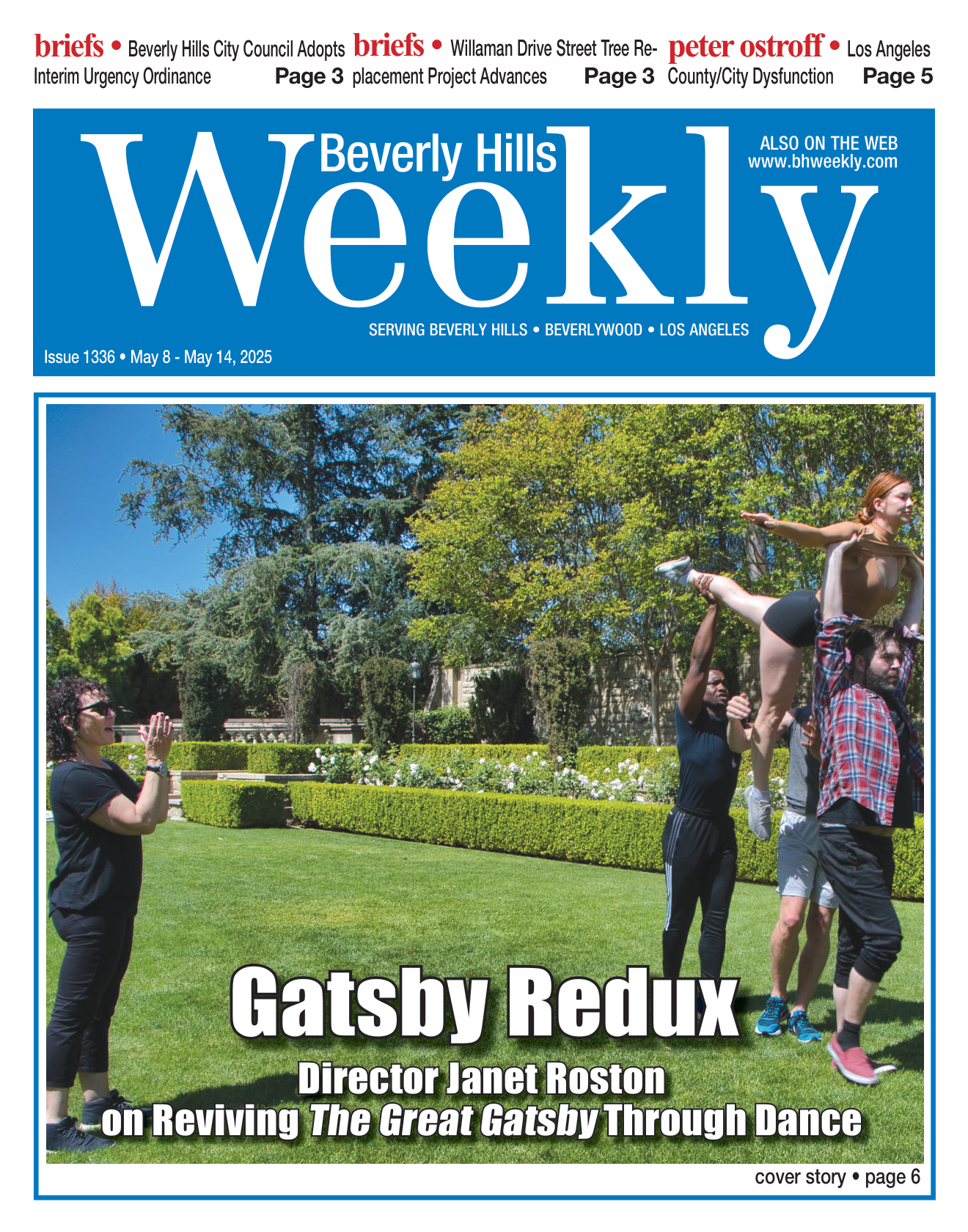
Los Angeles County/City Dysfunction
The article critiques the dysfunction between Los Angeles City and County officials, particularly highlighting their failure to effectively address homelessness and the aftermath of recent fires. It emphasizes the lack of accountability and transparency in the Los Angeles Homeless Services Authority, the resignation of its CEO amid controversy, and the chaotic recovery efforts following the Palisades fires, all exacerbated by personal conflicts among elected leaders.